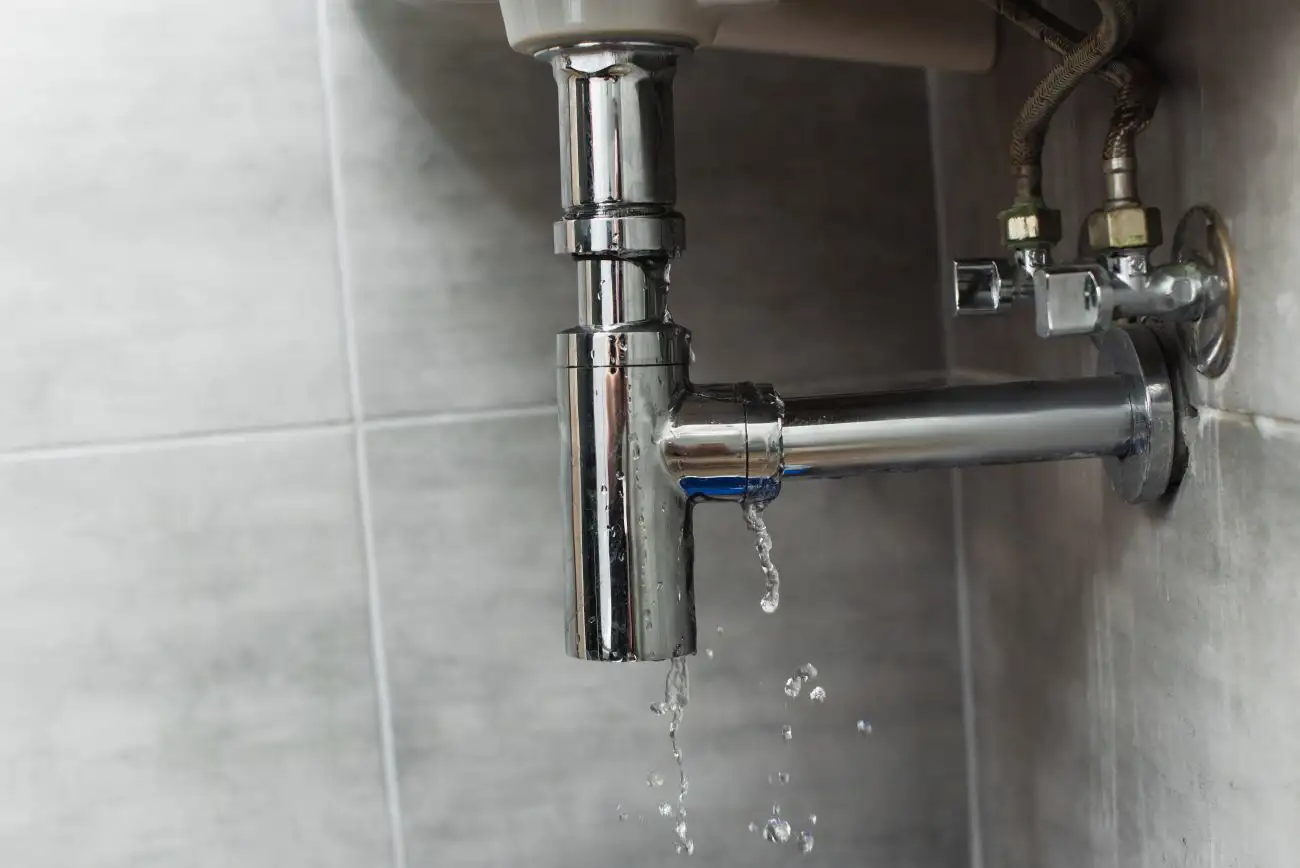
Not every plumbing leak leaves a puddle. Water can escape behind walls, beneath floors, under concrete foundations, or through underground supply lines without producing obvious warning signs. By the time a homeowner notices a problem, moisture may already be affecting surrounding materials.
A-Solution Plumbing, LLC helps homeowners throughout Mabank and surrounding East Texas communities address plumbing leaks, water line problems, and slab leak concerns. Recognizing the warning signs early can help reduce unnecessary water consumption and prevent additional property damage.
Hidden leaks can produce several symptoms, although no single warning sign confirms that a pipe is leaking. Pay attention to these changes around your property.
If your household's water consumption rises without a noticeable change in usage, a concealed leak may be responsible. Compare the amount of water consumed rather than relying only on the dollar amount of your bill, which can also change because of utility rates.
Hissing or flowing-water sounds when faucets, toilets, and appliances are not operating may indicate water escaping through a pressurized supply line.
Persistent moisture beneath flooring can indicate a plumbing issue. An unexplained warm area may sometimes be associated with a leaking hot-water line beneath a concrete slab, although temperature changes alone do not confirm a slab leak.
Discolored drywall, bubbling paint, soft surfaces, or ceiling stains can indicate trapped moisture. Plumbing leaks are one possible source, along with roof leaks and other forms of water intrusion.
A significant supply line leak can affect available water pressure. If pressure suddenly decreases throughout the home, the plumbing system may need further investigation.
Moisture trapped behind walls, under cabinets, or beneath flooring can create conditions that support mold growth. A recurring musty smell deserves attention, particularly when accompanied by staining or dampness.
Unexplained soggy soil, standing water, or unusually damp areas may point toward an underground water line problem. Irrigation leaks and drainage issues can produce similar symptoms.
Hidden leaks develop for several reasons, including aging pipes, deteriorating fittings, excessive water pressure, corrosion, and ground movement. Plumbing materials can weaken over time, while shifting soil may place additional stress on buried lines.
Texas homes can also experience pipe damage during freezing weather. Water expanding inside a frozen pipe may cause cracking, with the leak becoming noticeable once the pipe thaws. Identifying the underlying cause helps determine whether a localized repair or a more extensive solution is appropriate.
Locating a concealed leak involves identifying changes in water flow, pressure, sound, or surrounding moisture. The diagnostic approach depends on the plumbing system and suspected leak location.
A water meter can help identify unexpected water consumption when all fixtures and automatic water-using equipment are turned off. Continued meter movement may suggest a leak, although the test does not identify its exact location.
Pressure testing can help determine whether a section of plumbing maintains pressure as expected. Results may narrow down which portion of the system requires investigation.
Water escaping from a pressurized pipe may create sounds or vibrations. Specialized listening equipment can sometimes help trained professionals locate concealed or underground leaks.
Thermal imaging identifies surface temperature differences. In certain situations, those patterns may help narrow down the location of a leaking hot-water line. The camera does not directly see through concrete or walls.
Not every plumbing company uses every detection method. The appropriate equipment and testing depend on the suspected problem.
Many Texas homes are built on concrete slab foundations. When a water supply pipe beneath or within the slab begins leaking, the problem can remain concealed because the damaged line is difficult to access.
Possible symptoms include unexplained water consumption, damp or warm flooring, unusual plumbing noises, and pressure changes. A suspected slab leak does not automatically mean the foundation is damaged, but ongoing water loss should be evaluated promptly.
A-Solution Plumbing, LLC provides slab leak services and plumbing repair solutions for customers throughout its service area. Proper diagnosis is essential before choosing a repair method.
Before scheduling plumbing service, there are several safe observations you can make. Begin by checking visible fixtures and accessible plumbing connections.
Avoid cutting into walls, opening concrete, or disconnecting pressurized plumbing in an attempt to find the source. These actions can cause additional damage without locating the leak.
If water is escaping rapidly or threatening your property, shut off the main water supply if you can safely reach the valve. Keep clear of electrical equipment and outlets in affected areas.
For suspected hidden leaks without active flooding, document unusual meter readings, damp areas, water pressure changes, and other symptoms. This information can help a plumbing professional investigate the problem more efficiently.
Repair costs depend on the location of the leak, pipe material, accessibility, extent of damage, and the work required to restore the plumbing system. Replacing an exposed connection is generally a different project from repairing a buried supply line or plumbing beneath a concrete slab.
Some problems can be resolved by repairing or replacing a limited section of pipe. Others may require more extensive work if the surrounding plumbing is deteriorated or similar failures have occurred repeatedly.
It is also important to distinguish plumbing repair expenses from property restoration costs. Repairing damaged flooring, drywall, or cabinets may involve separate work after the leak has been stopped.
Addressing leaks early helps limit ongoing moisture exposure, protects building materials, and reduces unnecessary water consumption. Even a leak losing one gallon per hour wastes approximately 720 gallons over 30 days.
Prompt repairs may also reduce long-term expenses by preventing a minor plumbing problem from developing into a larger failure. The sooner the source is identified, the more clearly homeowners can evaluate their repair options.
Yes. Water may escape beneath a foundation, into surrounding soil, or behind finished surfaces without immediately producing visible damage.
No. Irrigation, household usage, and utility rate changes can also affect bills. Unexpected increases in actual water consumption deserve further investigation.
Yes. A toilet that continuously runs can waste significant amounts of water without creating a puddle on the floor.
Not necessarily. Costs depend on pipe location, accessibility, condition, and the repair approach. An evaluation is needed before estimating the work.
Persistent moisture can create conditions that support mold growth. The actual risk depends on the materials and surrounding conditions.
Contact a plumber when you notice persistent moisture, unexplained water consumption, repeated pressure problems, suspected slab leaks, or active water damage.
A hidden leak may be difficult to locate, but delaying repairs can allow water damage and unnecessary utility costs to continue.
A-Solution Plumbing, LLC provides plumbing repair services, water line work, and slab leak solutions for homeowners in Mabank and surrounding East Texas communities. We help customers understand the problem and determine practical repair options.
If you've noticed unexplained moisture, unusual water usage, or other warning signs, contact A-Solution Plumbing, LLC at (903) 887-3991 to discuss your plumbing concerns and request service.